
How a failed $250 side-hustle taught me product clarity
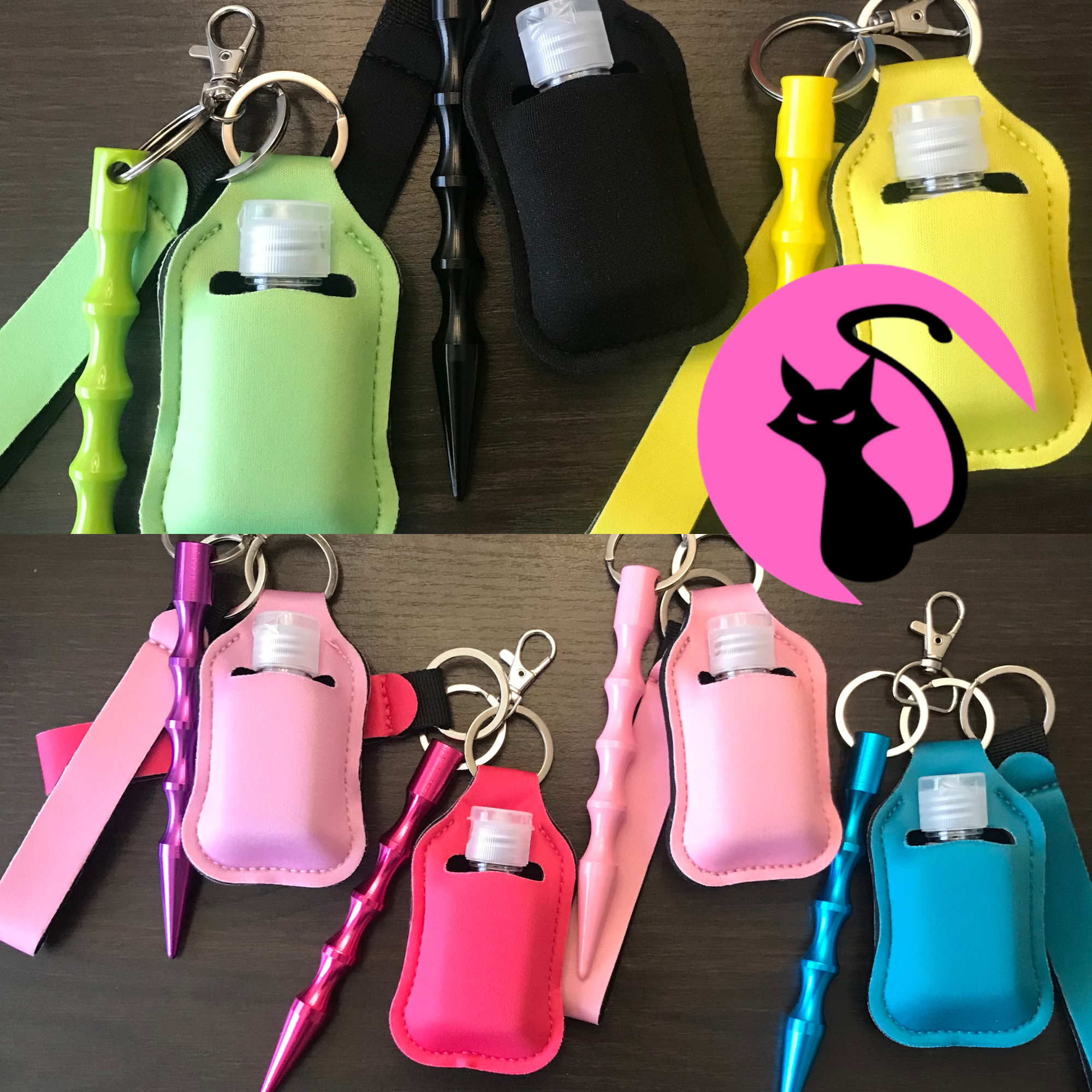
Shock Kitty Keychains never made substantial profit and ended up a high cost, low return side hustle back in 2021. Very much a fun, learning experiment in marketing and social media strategy.
More importantly, this project was proof I could think of an idea and feel confident enough to execute on it.
Failed Business Idea
Idea: custom self-defense keychains for women/sex workers in high risk lifestyles
Time: early 2021 (4-6 months)
Goal: livable income (looking back i’m not sure there were any other goals)
Model: e-commerce/ in-person product sales
The Numbers
Startup Costs: $200-$300
Revenue: $1,000
Time Invested: 6 months execution and 1.5 years hanging on with no plan
Outcome: net loss after COGS and excess product wasted
What Actually Went Wrong
The product was made up of easily findable Amazon-esque pieces assembled together. Every piece shipped from the same Chinese factories; I only differentiated with color variations or interchangeable add-ons. Sometimes this was handmade resin additions which increased shipping time by a day or two.
Unexpected costs were a solid concern when I so reliant on third party suppliers and parcel services to make things happen. There is always room for more awareness around pricing and costs in every business.
A bit more on risk with legally “dicey” brands.
While these products were promoted as a “self defense” offerings, over the course of working with this idea, I noticed there was no way to control intent after purchase.
In the beginning, I didn’t initially consider looking into state weapons laws in relation to shipping and logistics.
I could feel the heavier risk that came with this reality once I started getting orders from across state lines.
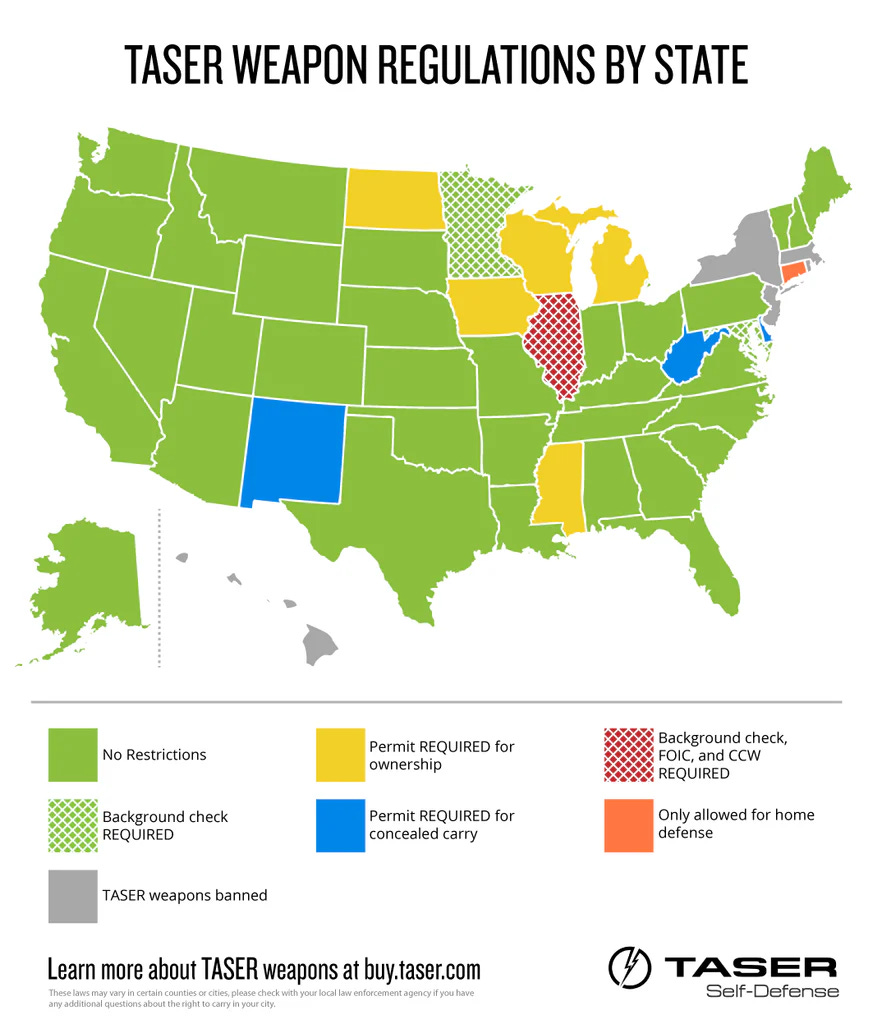
Here I had a business built around products that were “technically” weapons, risks started to look a bit different. Legal concerns, safety issues, and liability were all big on my mind with this keychain venture.
Entrepreneurs have to think about what it means to operate brands and businesses aligned with “vices” and all the legal headache that comes with it.
Is the value of the business solving or exasperating a problem? Can you handle a business operating in a legally ambiguous space?
The Global Self-Defense Keychain Device Market was valued at USD 3.03 billion in 2024 and is projected to grow at a CAGR of 6.5% from 2025 to 2030. The market is expected to reach USD 4.15 billion by 2030. via Virtue Market Research.
Just Remember This…
Consumers only buy what they clearly understand and see value in. Period.
Weighing all my past ideas, self defense keychains were the easiest product or service I’ve ever promoted to people. The keychains were simple and it was fairly easy to imagine a viable use case for them. Limited local retail options with an exact product match also enhanced the perceived value of the keychain sets.
Customers were never confused about the value. They never contested pricing; especially with concerns around safety being centered in marketing and brand storytelling.
Limited innovation and standard value keep you in red oceans.
The keychains were not unique and my business idea did not differentiate from competition much in operations. Shock Kitty Keychains were cute, but nothing special.
A stronger media push via YouTube along with community building for women would have expanded this idea into a more meaningful force. Think immersive true crime videos or deep dives into safety culturally for women throughout history instead of the cringey, safety hotel checklist videos we all have seen a million times.
If the market can reverse-engineer your offer in one Amazon search, you have temporary arbitrage.
“Value innovation occurs only when companies align innovation with utility, price, and cost positions. If they fail to anchor innovation with value in this way, technology innovators and market pioneers often lay the eggs that other companies hatch.
Value innovation is a new way of thinking about and executing strategy that results in the creation of a blue ocean and a break from the competition. Importantly, value innovation defies one of the most commonly accepted dogmas of competition-based strategy: the value-cost trade-off. ….. In contrast, those that seek to create blue oceans pursue differentiation and low cost simultaneously.”
– Excerpt From
W. Chan Kim