
If you’re considering pecan oil for your skincare routine, the first question you’re probably asking is whether it’ll clog your pores. Fair concern, especially if you’re acne-prone or have dealt with breakouts from other oils.
pecan oil comedogenic rating
Pecan oil has a low to moderate comedogenic rating, typically around 2 on a scale of 0 to 5.
A 2 rating means the product is less likely to clog pores compared to heavier oils, but it’s not completely non-comedogenic either.
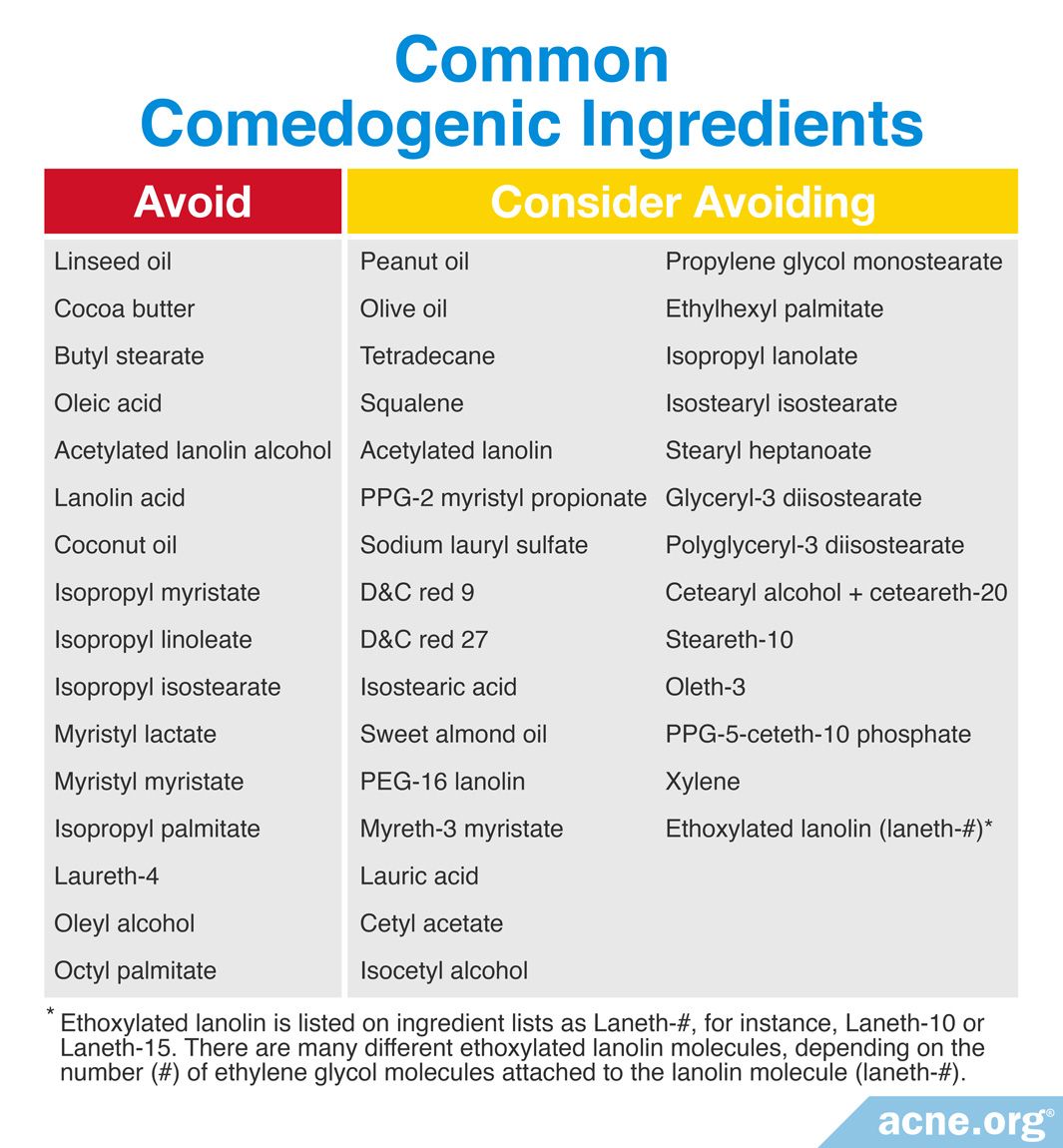
the comedogenic scale
The comedogenic scale ranks ingredients from 0 to 5 based on their likelihood to clog pores.
0 means won’t clog pores at all. 5 means highly likely to cause breakouts. Pecan oil sits around a 2, which puts it in the lower-middle range.
Keep in mind that “comedogenic” doesn’t mean pecan oil is off limits it means you should be aware of how long the oils is on skin and under what conditions.
Certain products can be worn regardless of comedogenic scale with proper preparation and skincare.
But here’s the thing about this scale—it’s not perfect.
The original comedogenic ratings came from studies done on rabbit ears decades ago, not human facial skin. Different sources list different ratings for the same oils because there’s no standardized testing method.
Your skin might react differently than someone else’s even to the same oil.
The scale gives you more data, not a fool proof answer. Coconut oil (rated 4) can be used without issues while some folks break out from jojoba oil (rated 2), deemed safe for mostly all skin types.
how is pecan oil different
Pecan oil’s comedogenic rating comes down to its fatty acid composition.
It’s high in oleic acid, a heavier fatty acid that can be problematic for acne-prone skin. Oleic acid is moisturizing and goes deep, great for dry skin but can for sure clog oily skin.
Pecan oil also contains linoleic acid, a lighter fatty acid that’s actually beneficial for acne-prone skin.
Linoleic acid is anti-inflammatory and helps regulate sebum production. Research suggests that acne-prone skin is often deficient in linoleic acid. [EXTERNAL LINK: scientific study on linoleic acid and acne]
The ratio between these two fatty acids determines how your skin will react. Pecan oil has more oleic than linoleic, which is why it’s not rated as non-comedogenic. But the presence of linoleic acid keeps it from being as problematic as purely oleic-heavy oils like olive oil.
compared to other oils
Oils high in linoleic acid (grapeseed, rosehip, hemp seed) typically have ratings of 0-1.
Oils high in oleic acid (olive, avocado, coconut) range from 2-4.
Pecan oil falls somewhere in between because it contains both.
If you’ve used pecan oil for skin tightening and noticed improved texture without breakouts, your skin likely tolerates the oleic acid content.
READ MORE: Complete Guide to Pecan Oil for Skin
how to patch test pecan oil
Before putting pecan oil all over your face, test it on a small area for 24-48 hours.
- Apply a small amount to your inner forearm or behind your ear.
Don’t see any redness, itching, or irritation after a day? Move on to facial testing.
- Find a breakout prone area of the face and repeat the 24-48 waiting period – jaw and chin often work well.
- Try the oil at night on freshly cleansed skin.
- Just a drop or two should give you a good idea of how your skin responds to pecan oil.
Comedogenic doesn’t always result in full cystic acne , it could be as simple as excessive oil buildup and minor irrtation. Be mindful of tiny sensations and changes as well.
using pecan oil without clogging pores
Even if pecan oil has some comedogenic potential, you can minimize the risk with smart application.
Use pecan oil sparingly. A few drops is enough for your entire face.
Apply to damp skin right after cleansing. Oil spreads easier and absorbs better. Translation less product, more payoff
Mix pecan oil with a lighter carrier oil like rosehip if you’re concerned about clogging.
If you choose pecan oil on the face , keep everything else very light to lower chances of clogged pores.
Pecan oil as a nighttime face oil might be a better option if you wear heavy sunscreens or face lotions during the day.
when to use pecan oil in face masks
If you’re already using turmeric for skin treatments, pecan oil can be a good carrier oil for mixing with powders. The vitamin E content complements anti-inflammatory treatments.
Dry skin that is not acne-prone should try pecan oil’s skin tightening and moisturizing properties in turmeric or similar style face masks.
pecan oil isn’t working for you…
Do you notice any of the following:
- Small white bumps that weren’t there before, especially around your chin, forehead, or cheeks, indicate clogged pores. These are different from inflammatory acne—they’re usually flesh-colored or white, small, and not inflamed.
- Increased oiliness that doesn’t normalize after a few days suggests your skin is producing more sebum in response to the oil. Some adjustment period is normal, but if you’re noticeably shinier after a week, it’s not the right fit.
- Breakouts in areas where you don’t typically get acne are a red flag.
Stop using it immediately if you notice any of these signs worsening after 3-5 days.
more about the idea of “non-comedogenic”
Every “will this clog my pores” question comes with the same frustrating answer: it depends on your skin.
Obsessing over how products will react won’t matter without trail and error from time to time.
Your skin is pretty intuitive, like you. Pay attention and don’t tak this all that seriously.